
Program Updates: Accelerating Girls’ Education in Secondary Schools in Sindh (AGEiSSS)
Program Launch: Strategic Commitments for Girls’ Education
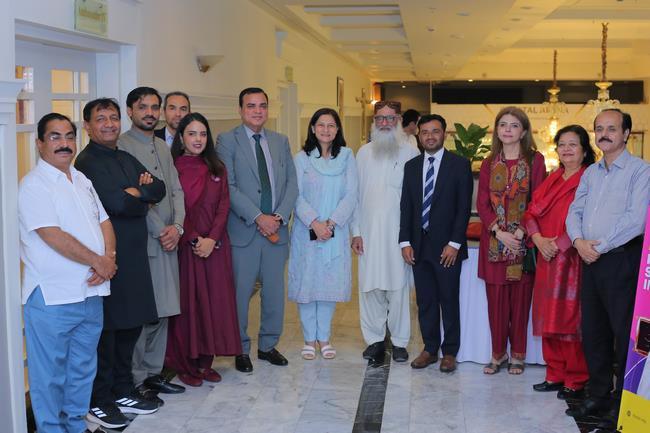
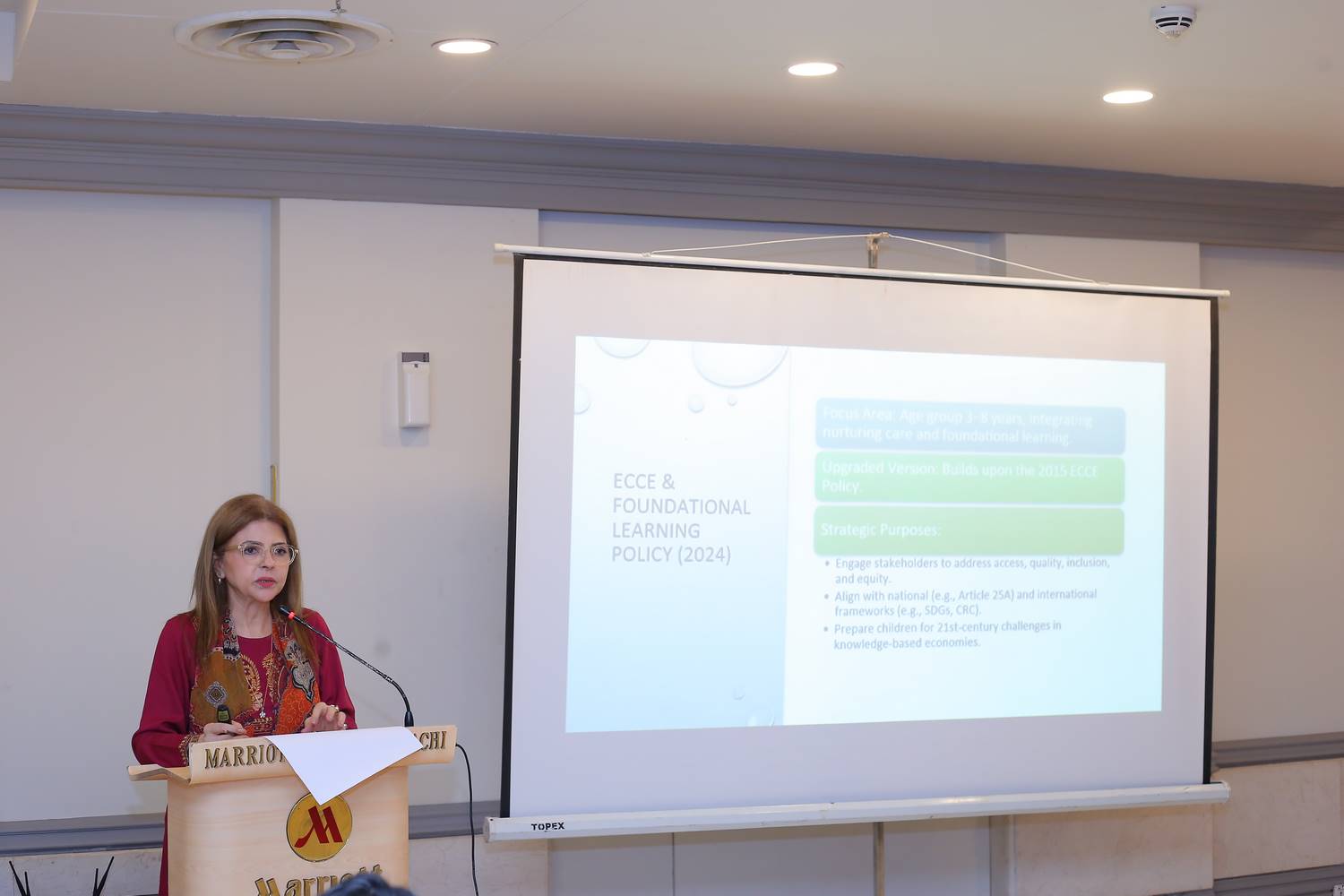
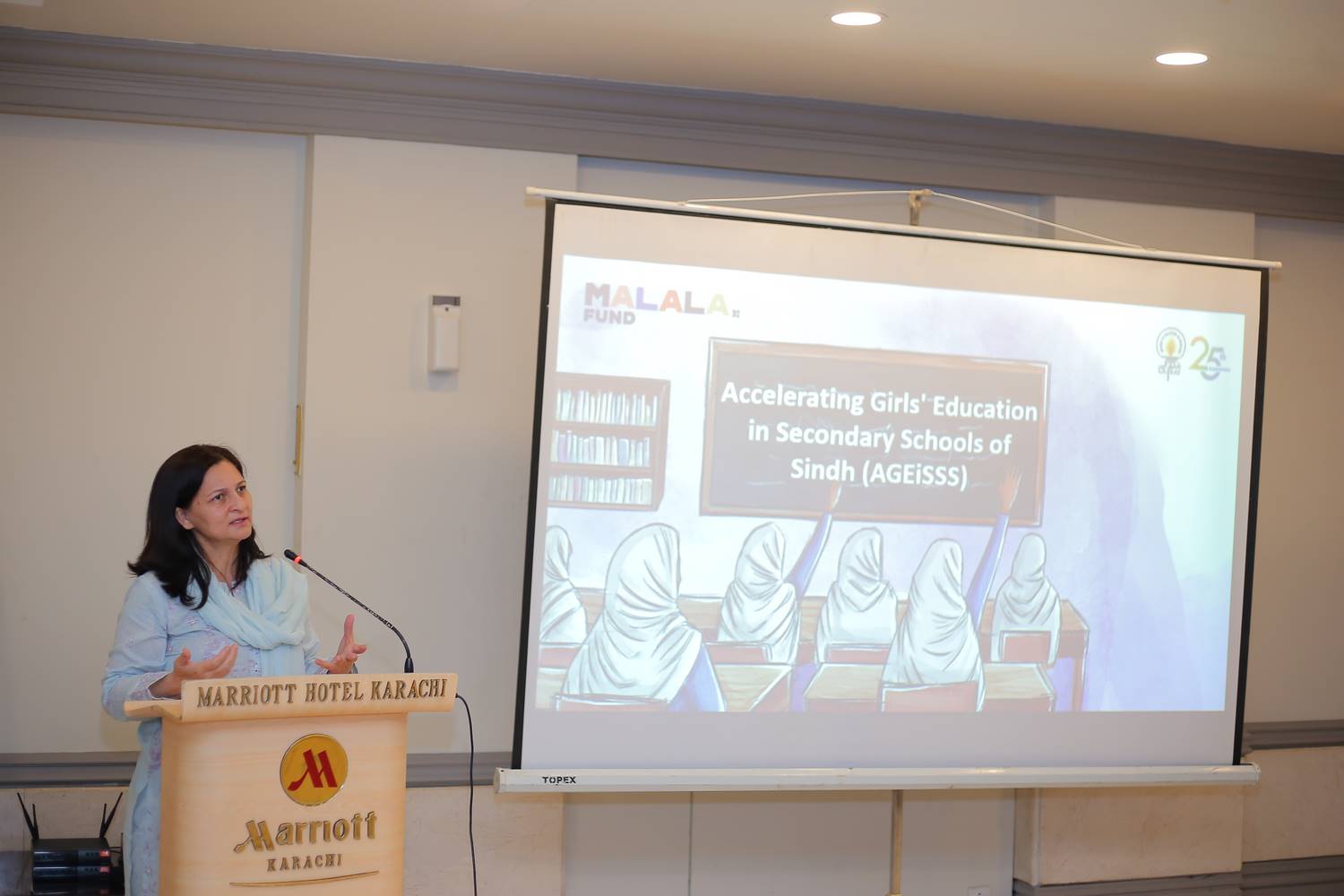
The Accelerating Girls’ Education in Secondary Schools in Sindh (AGEiSSS) program was officially launched on March 11, 2025, at the Marriott Hotel, Karachi. The event brought together key government representatives, partner CSOs, education experts, and development partners to reinforce a shared commitment to foundational learning and girls’ education. Distinguished guests included Mr. Zahid Ali Abbasi, Secretary of Education (SELD), as Chief Guest, along with Dr. Fouzia Khan (SELD), Dr. Nishat Riaz MBE (Malala Fund), and Ms. Sadiqa Salahuddin (IRC). Also in attendance were senior officials from STEDA, DCAR, PITE, RSU, and the Policy Commission Sindh, as well as representatives from SEF, UNICEF, and partner NGOs involved in the Letters of Understanding (LOUs) for TaRL integration.
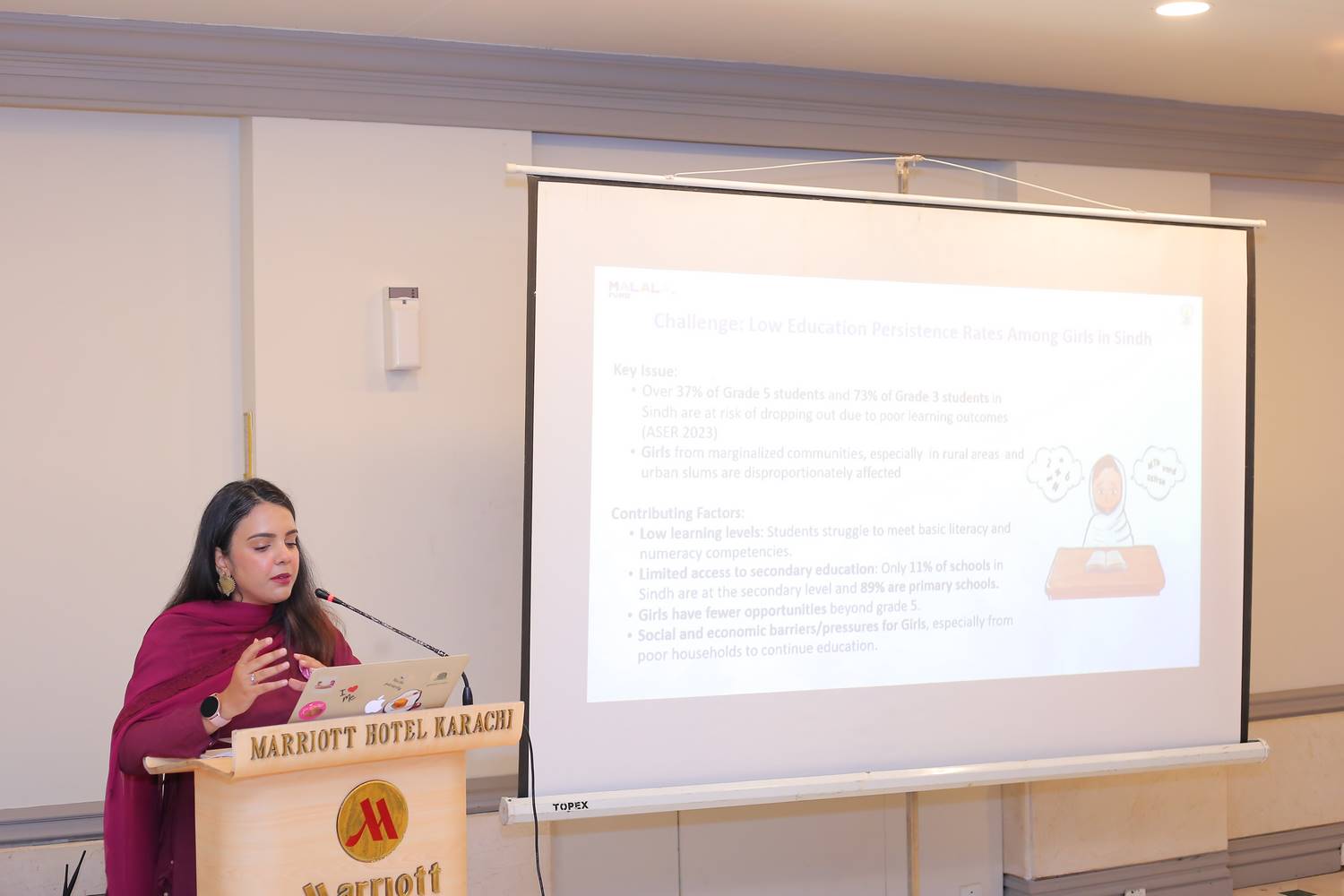
Baela Raza Jamil, CEO of ITA, opened the session by highlighting the urgency of addressing the learning crisis faced by girls across Sindh. Sehrish Farooq, Malala Fund Education Champion, presented an overview of AGEiSSS and demonstrated how Teaching at the Right Level (TaRL) tools—such as Bundle & Stick and Mind Mapping—are transforming classrooms by fostering joy and strengthening foundational competencies. All speakers reinforced the importance of integrating TaRL into mainstream systems to reduce the 4.08 million out-of-school girls in Sindh (Population Census 2023), and to support national efforts aligned with the National Education Emergency and SDG 4.

Partner Collaboration and Training Preparation
Following the program launch, ITA formalized partnerships with eight key organizations
- Sindh Education Foundation - SEF
- Government of Sindh
- ETNS- Education Trust Nasra School
- Charter for Compassion
- IRC and HANDS Foundation
- HANDS Foundation
- Sindh Rural Support Organization (SRSO)
- Goth Seenghar Foundation (GSF)
- and Peoples School managed by Ziauddin
through the signing of Letters of Understanding (LOUs). These agreements outline collaborative roles and responsibilities for the rollout of TaRL methodologies across partner schools in Sindh, laying a strong foundation for shared ownership and localized implementation of the program.
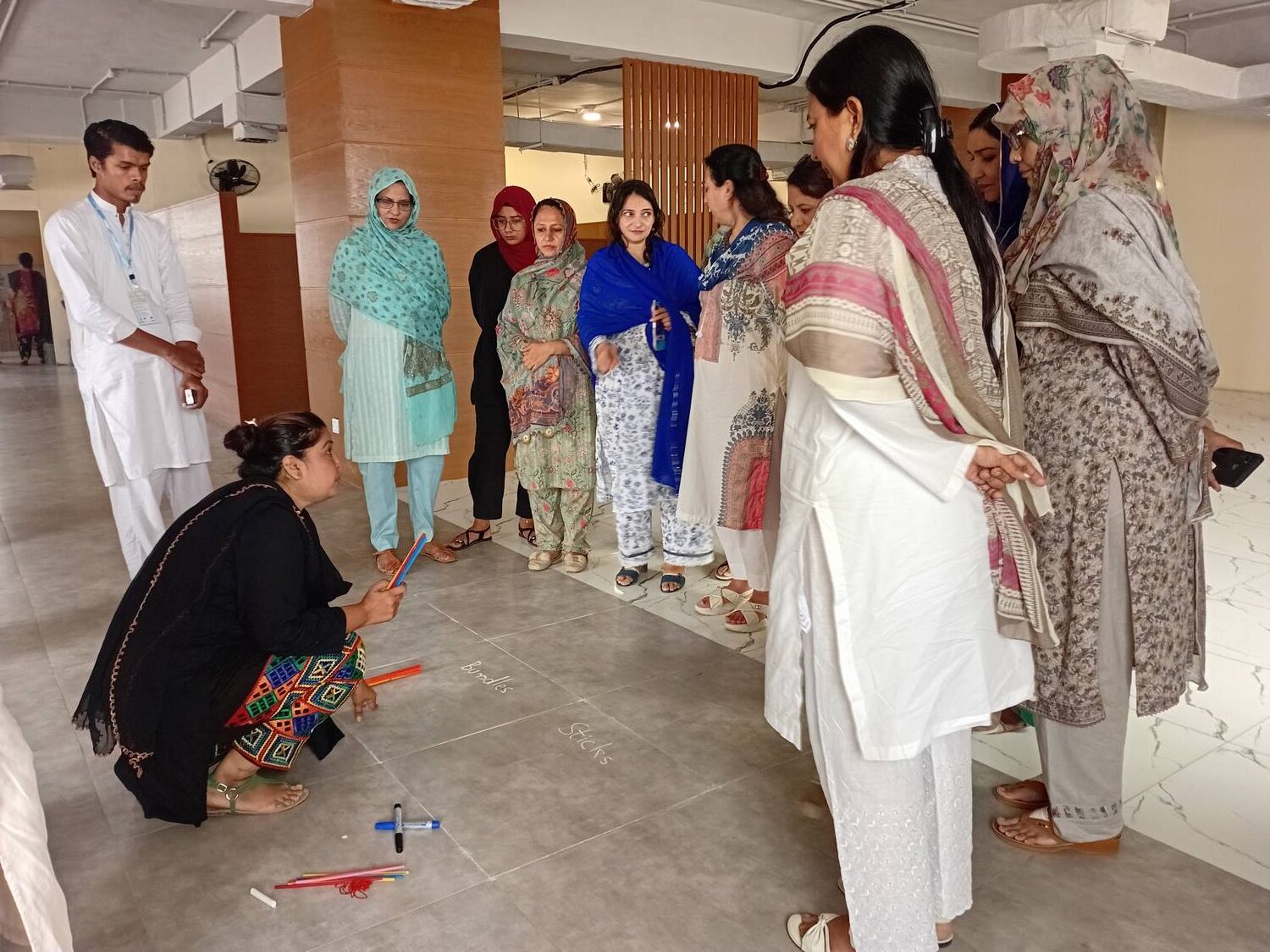
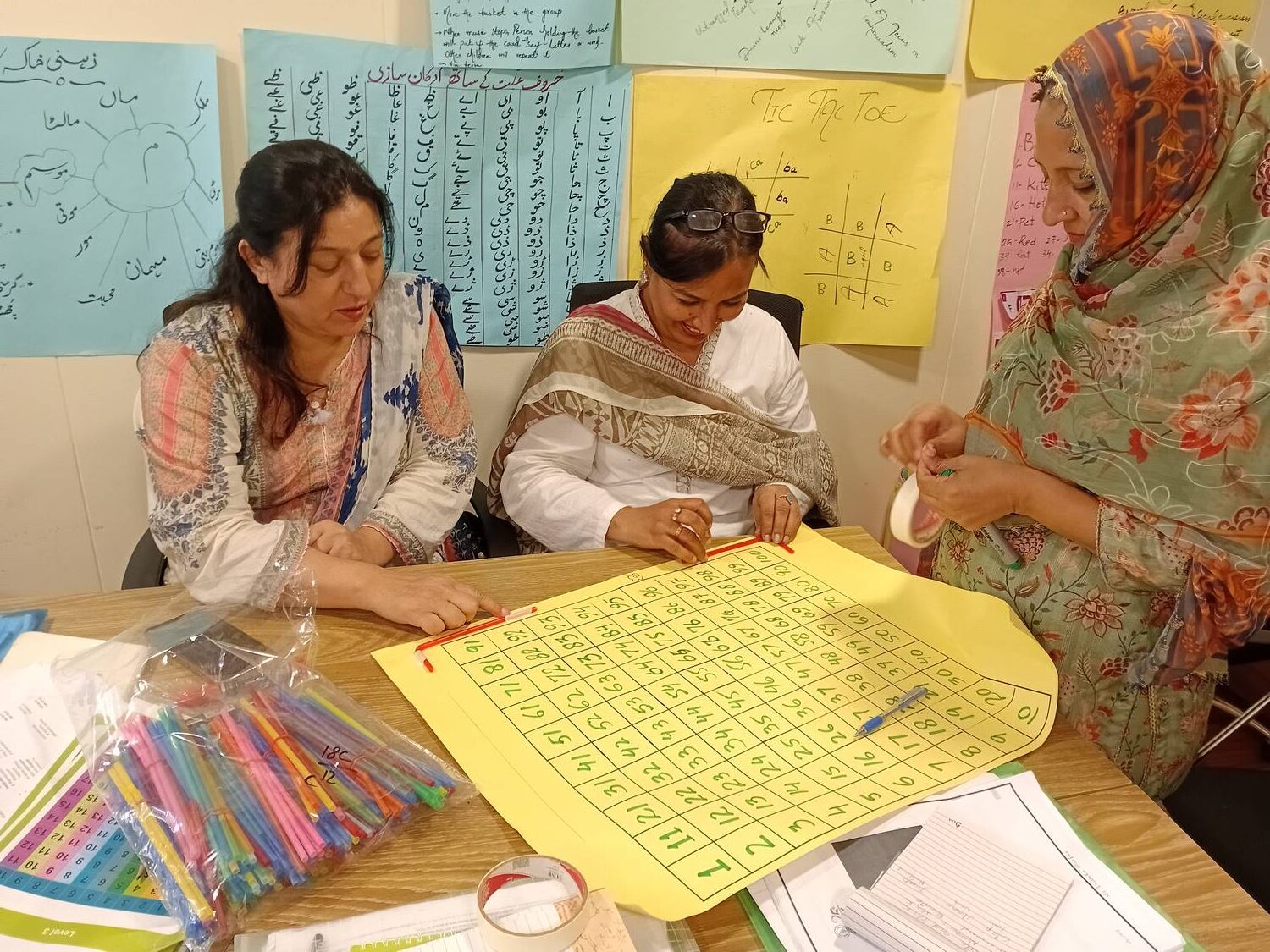
Training Master Trainers for TaRL Implementation

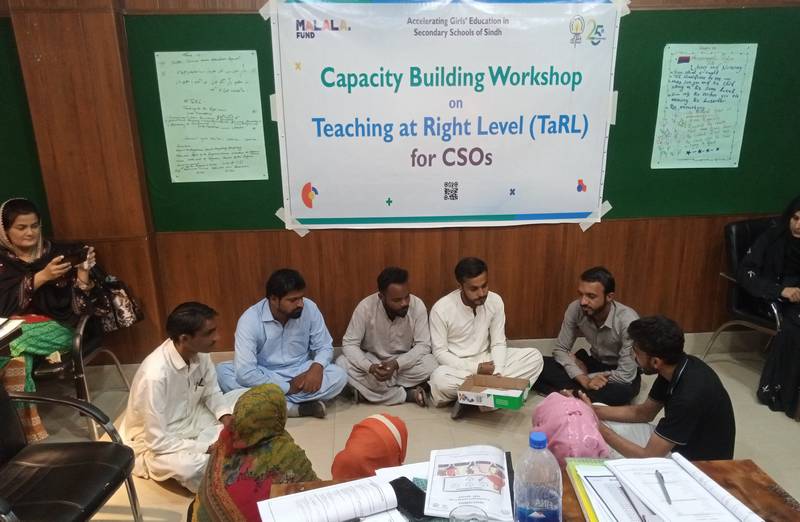

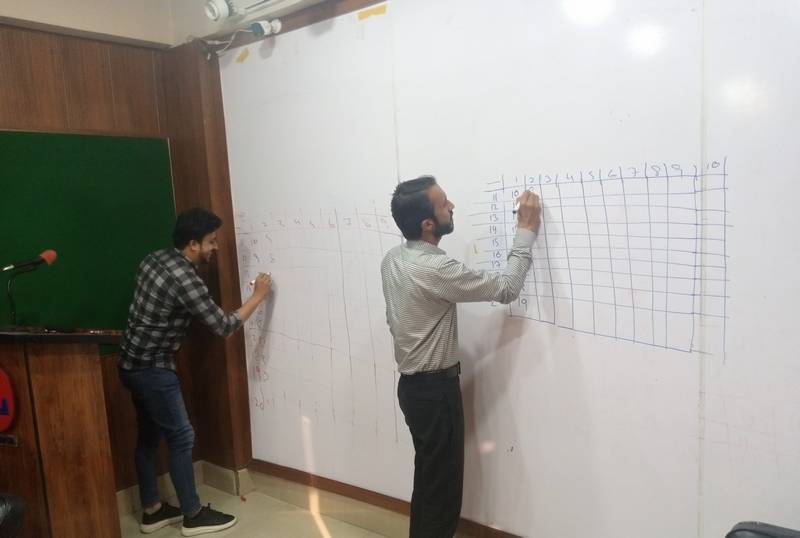
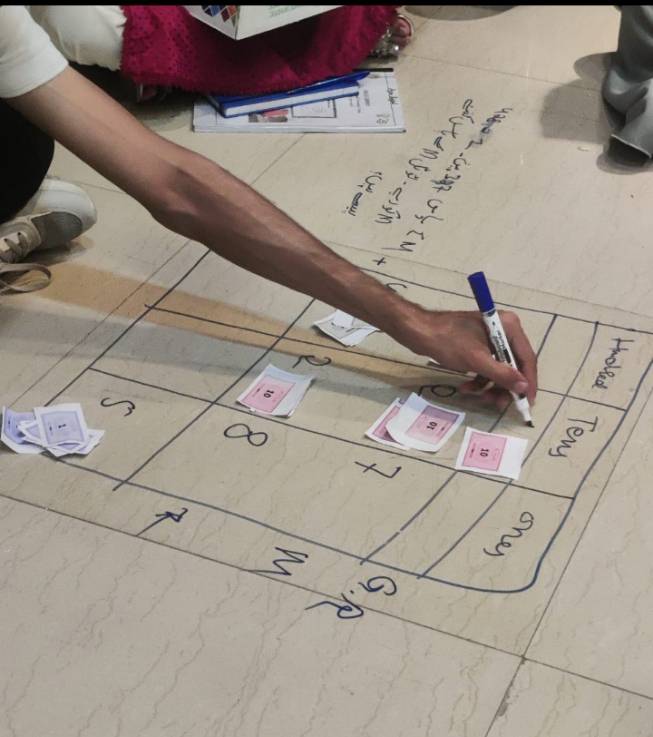
- In-depth understanding of the TaRL framework
- Child safeguarding and inclusive practices
- Structured lesson planning
- Hands-on practice using low-cost/no-cost teaching and learning materials


Monitoring Visits and Assessment Outcomes
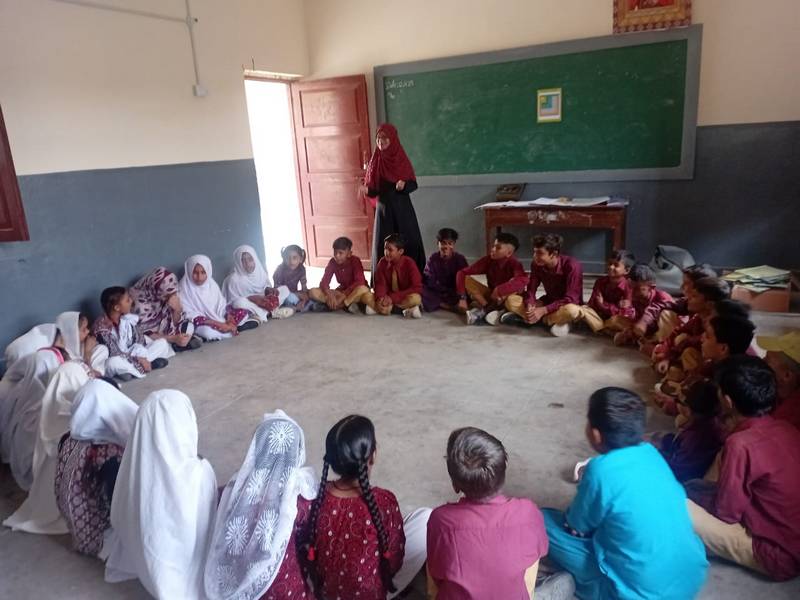
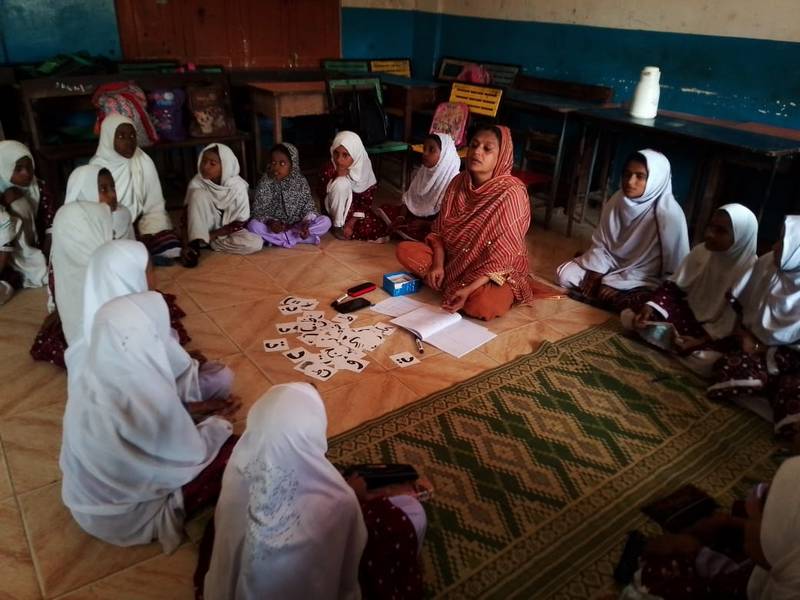
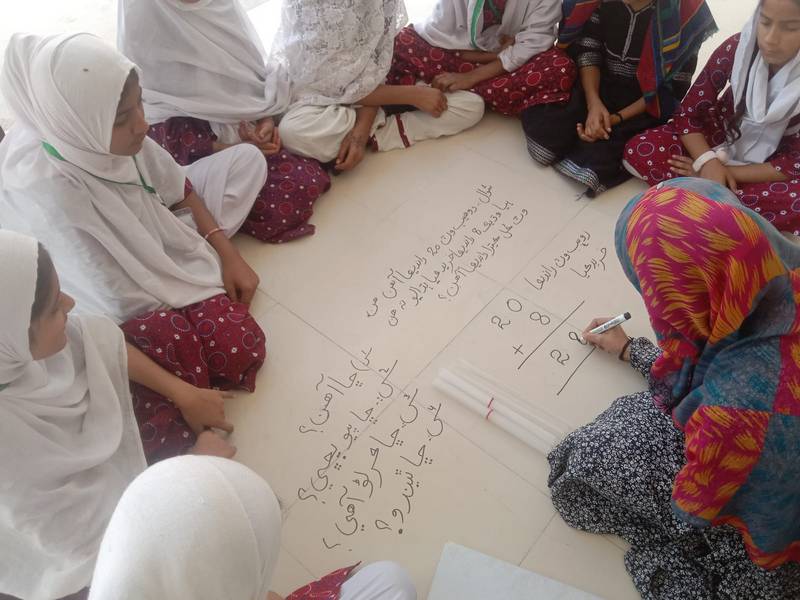
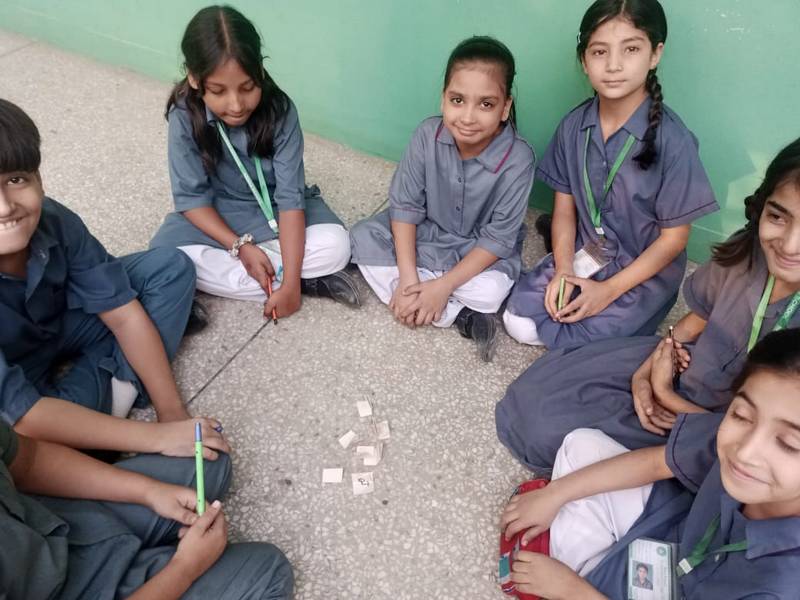
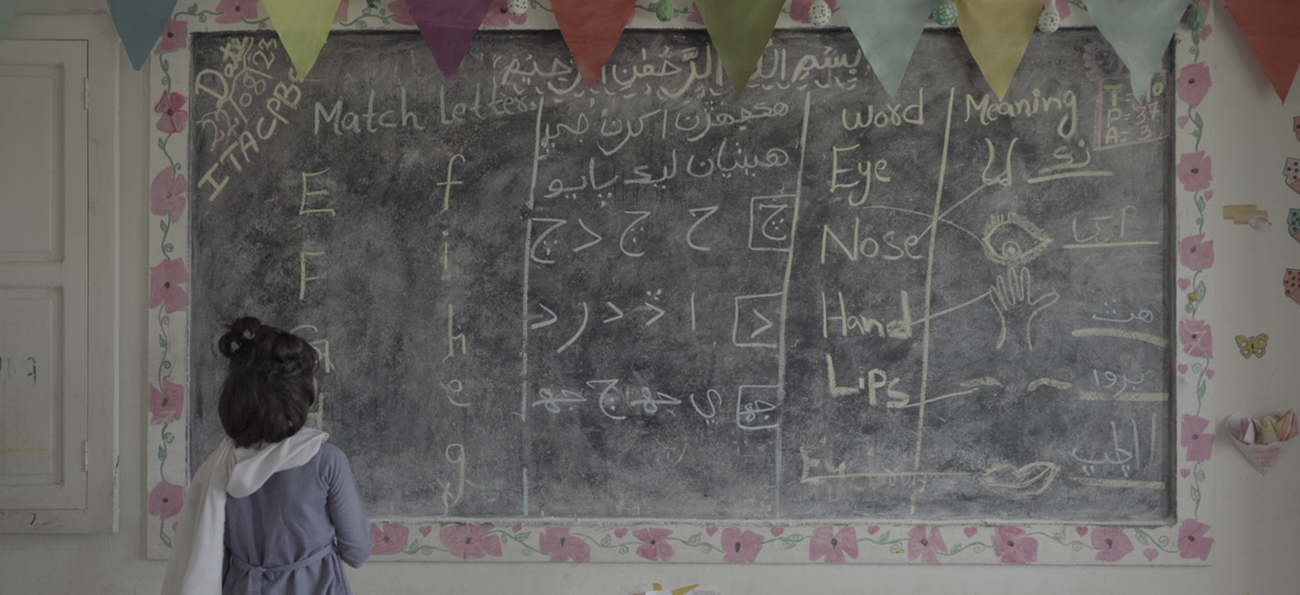
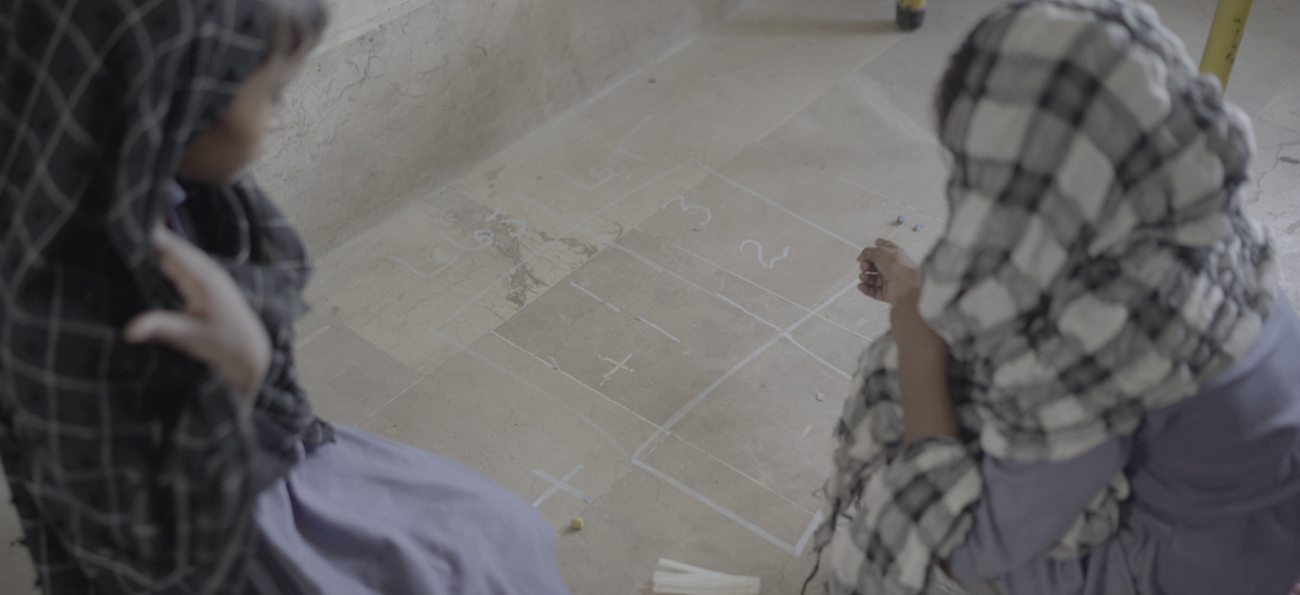
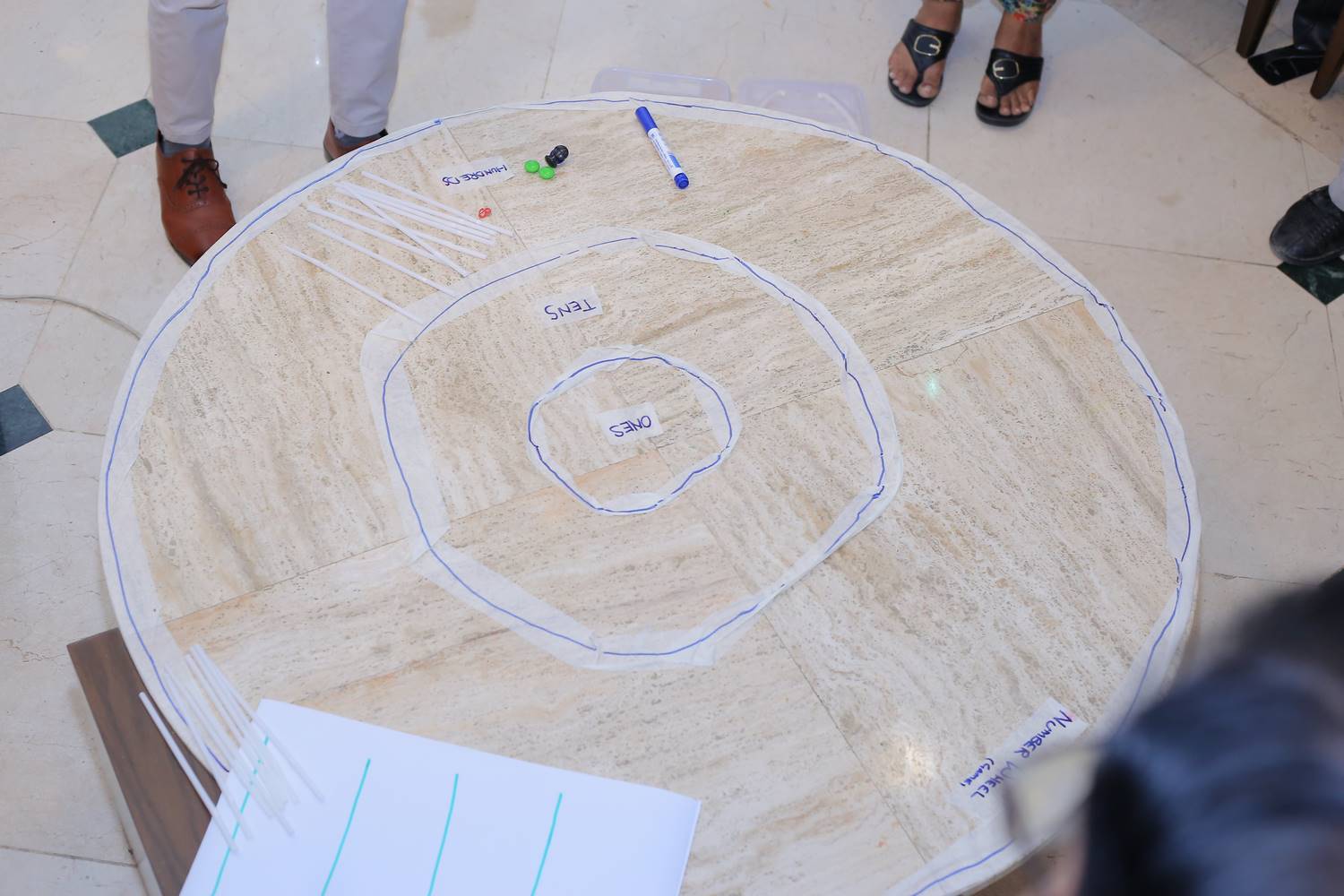
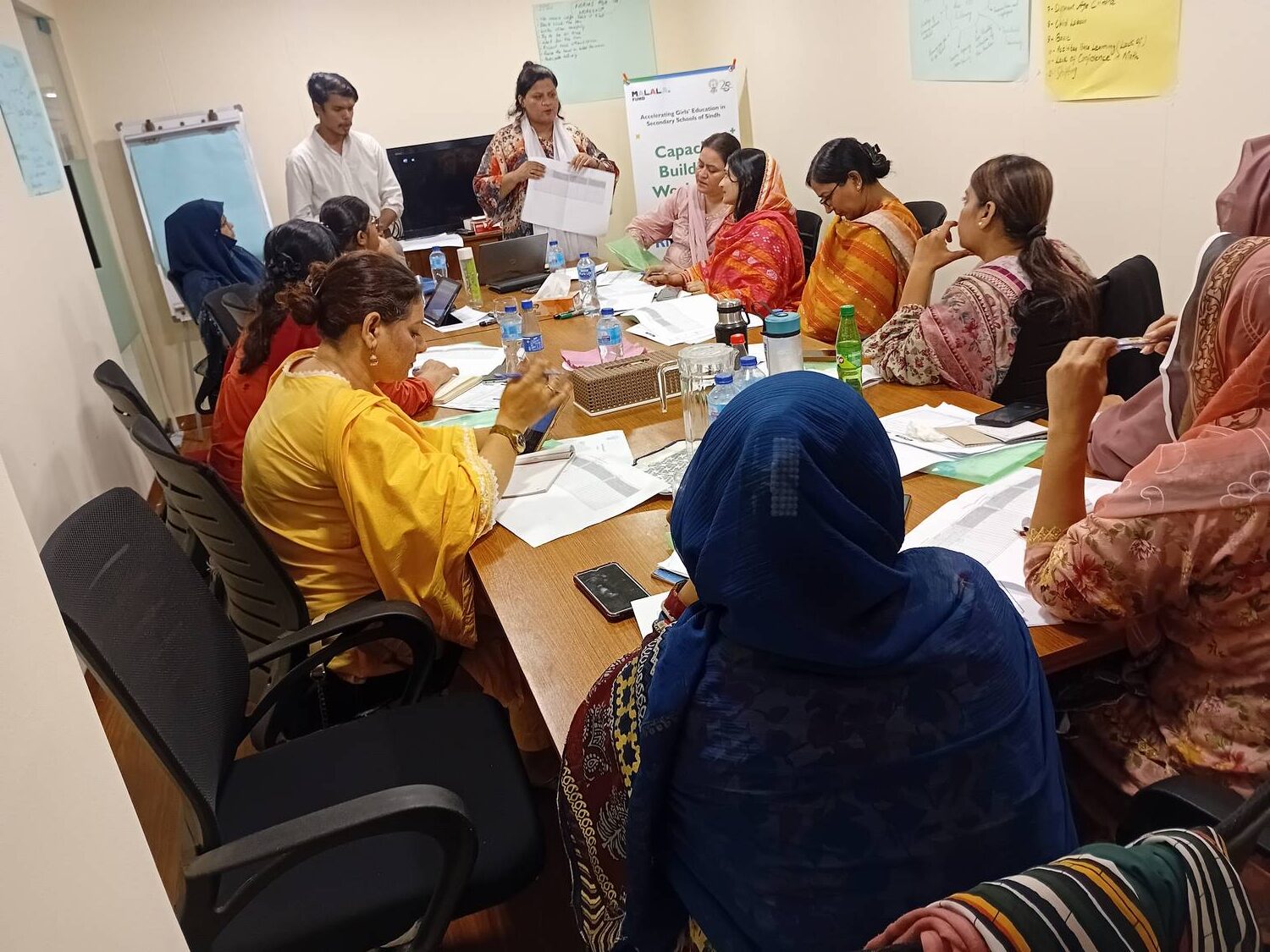
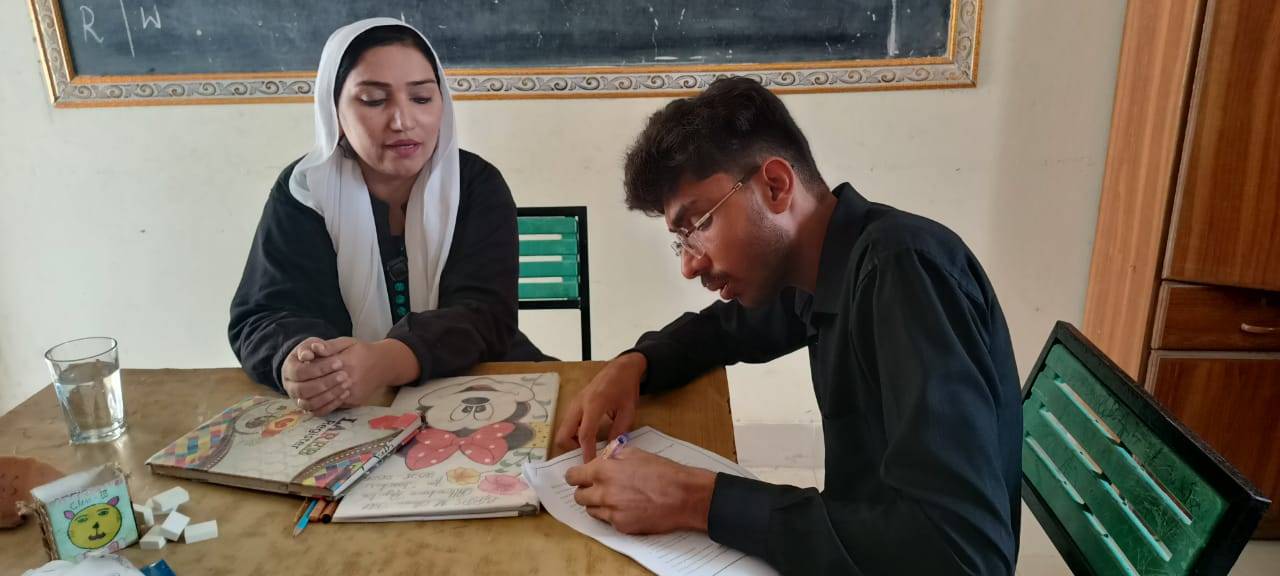
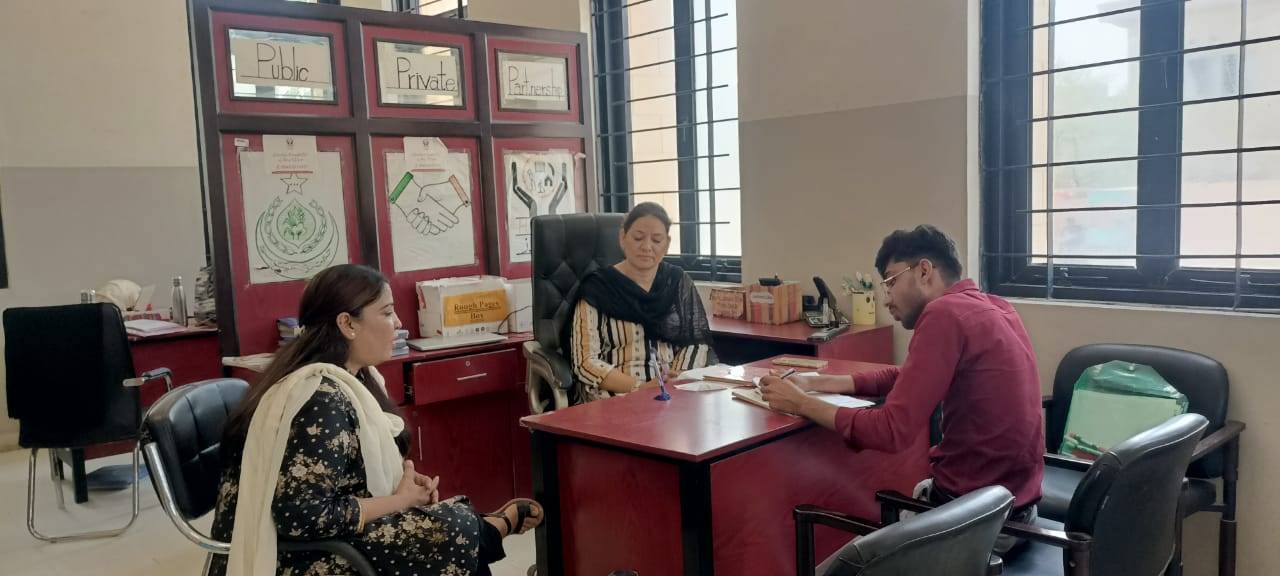
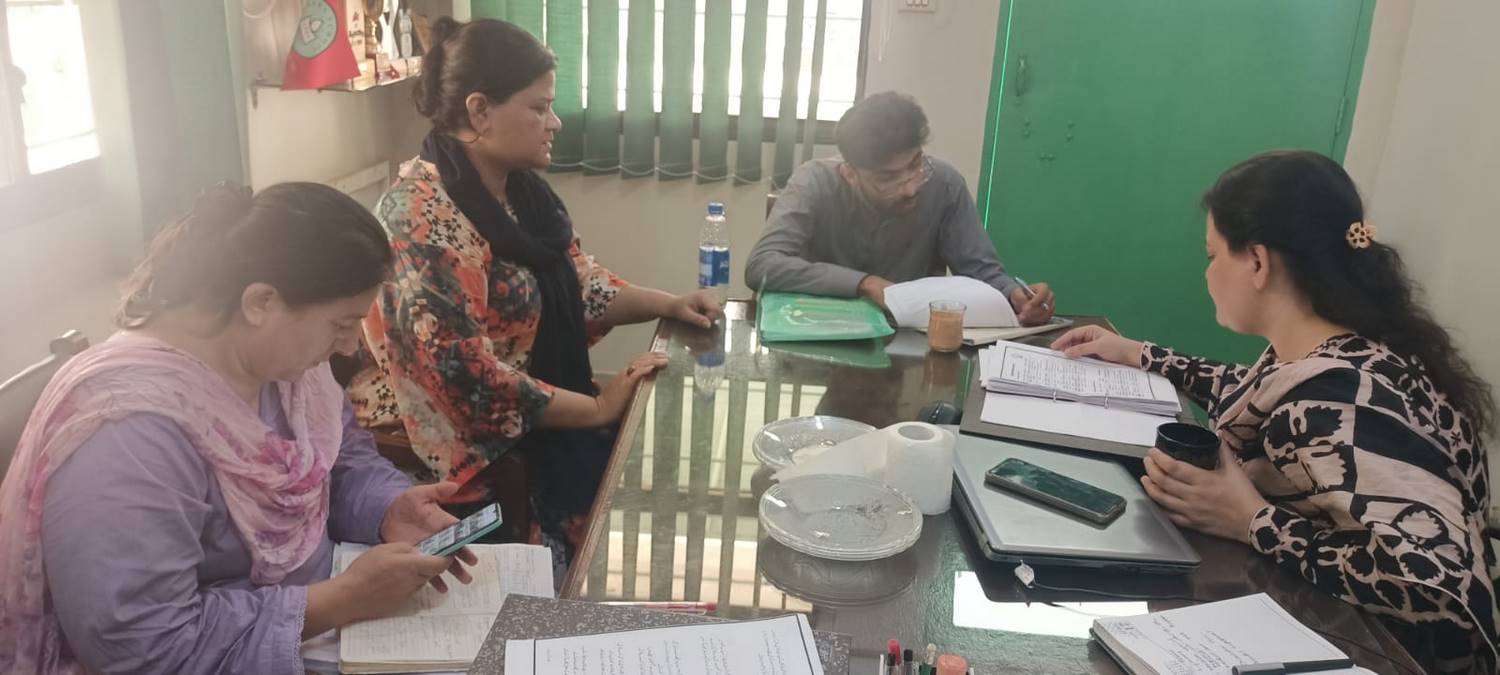
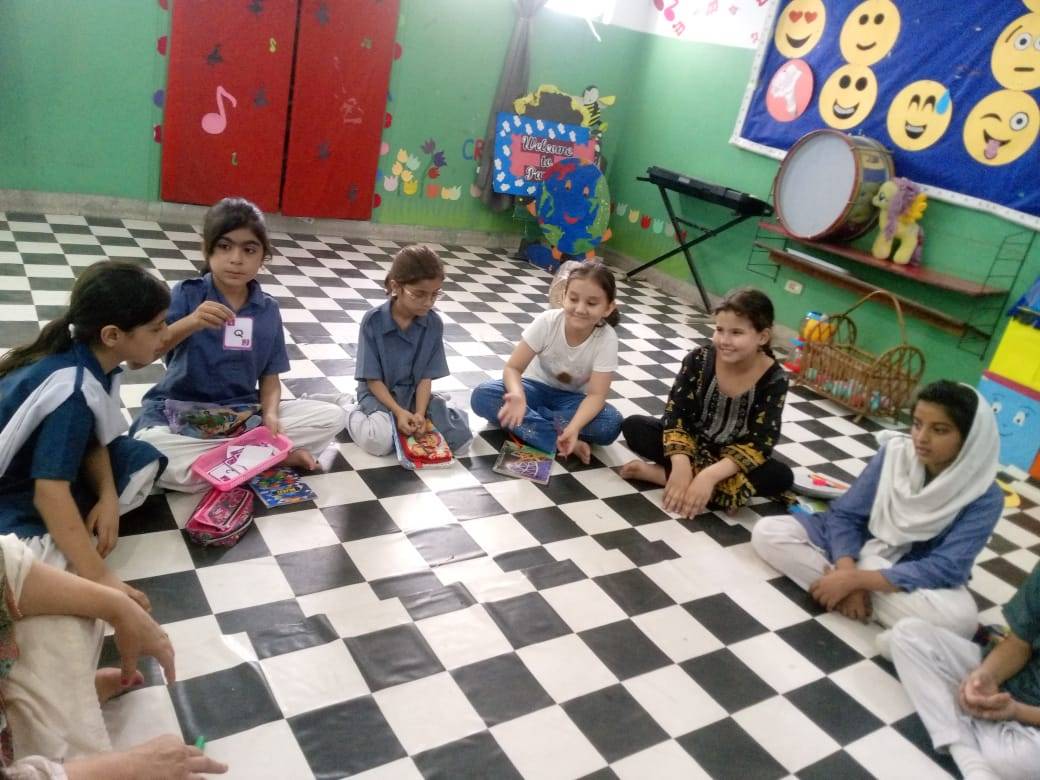
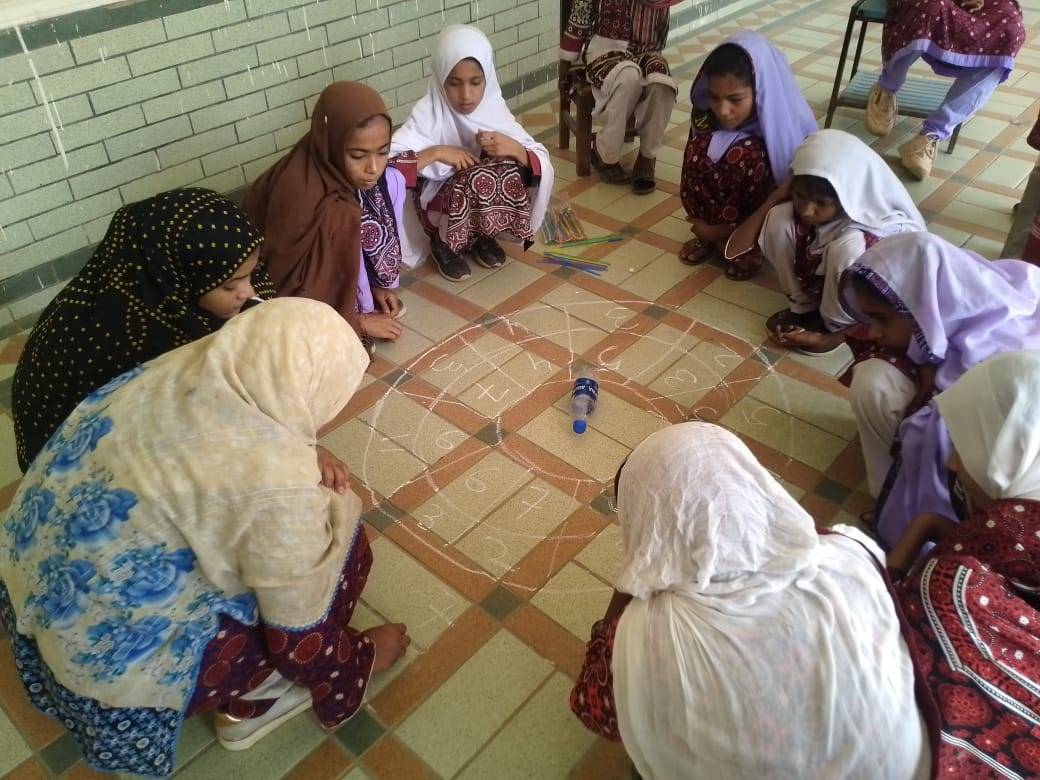
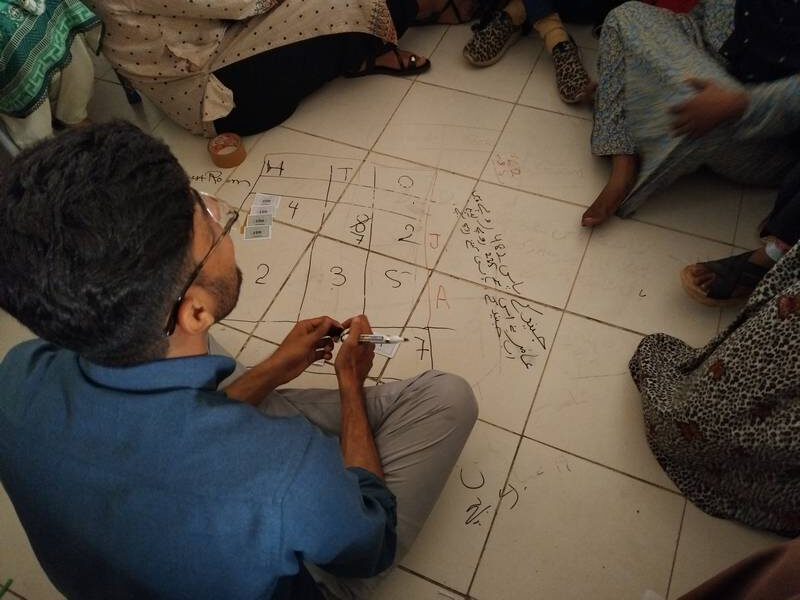
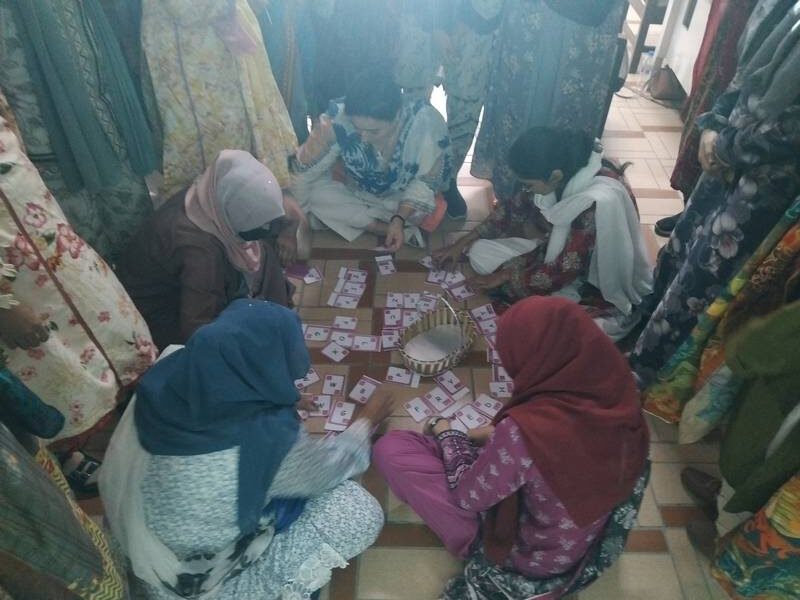
The ITA team conducted observation visits at schools run by IRC, HANDS, and NASRA. Classroom activities included Mind Mapping, Number Wheel, and the Basket Game, generating high engagement and enthusiasm among students. All 12 Master Trainers underwent structured pre- and post-assessments to evaluate their comprehension of TaRL principles.
- The pre-assessment took place on May 13
- The post-assessment was conducted on May 20
Both assessments consisted of objective-based questions aligned with training content. The results demonstrated significant improvement in trainers’ understanding and readiness to deliver TaRL sessions.
Field observations during practicum sessions further confirmed the program’s effectiveness. The ITA team observed vibrant student engagement, particularly during the Mind Map and Number Knowledge Games activities.
In follow-up meetings, Master Trainers reported increased confidence in using TaRL techniques and highlighted encouraging trends in students’ numeracy skills, participation, and overall classroom dynamics.
Cascading of TaRL Methodology
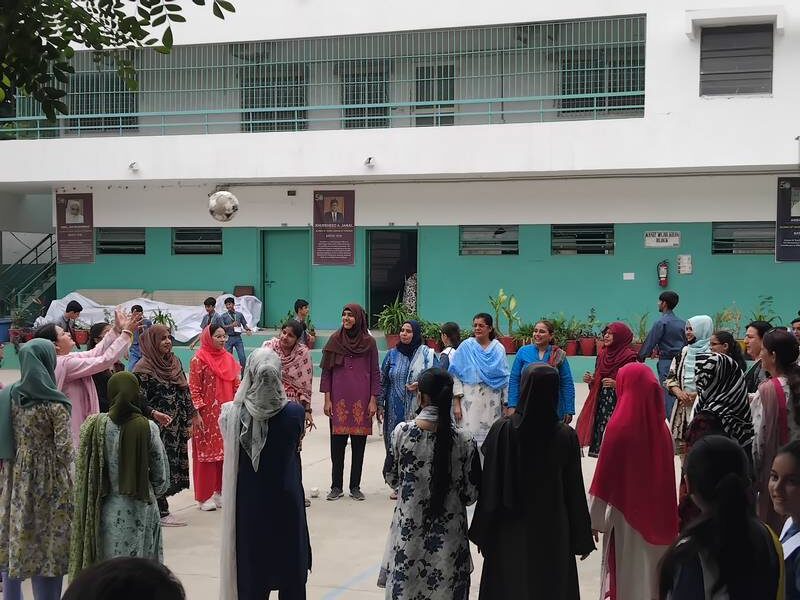
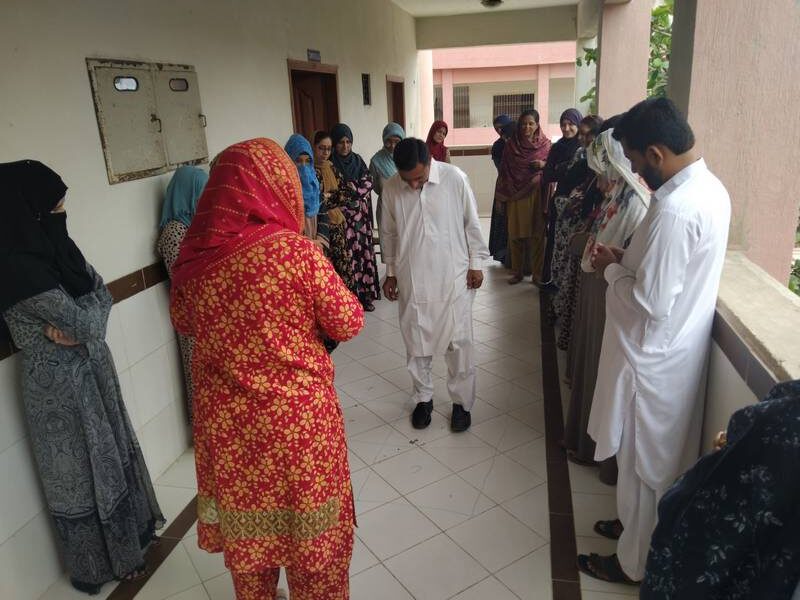
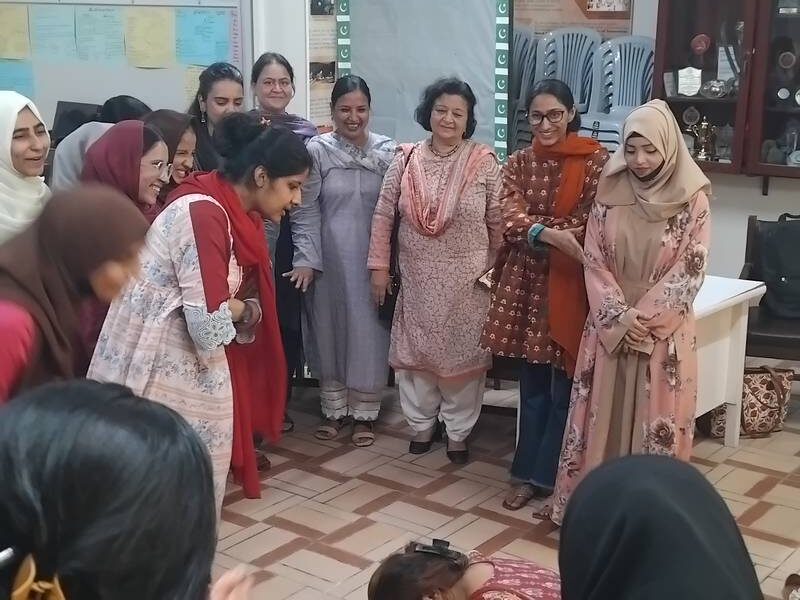
The cascading phase was led by partner organizations – Indus Resource Centre (IRC), NASRA (Education Trust Nasra School), Charter for Compassion (CFC), and HANDS Foundation – who played a central role in transferring the TaRL methodology within their institutions. Trained Master Trainers conducted structured cascade training for teachers who were designated to establish and lead learning camps on their respective campuses. Through hands-on practice, assessment demonstrations, and guided planning, teachers were prepared to conduct baseline assessments, group learners by level, and implement TaRL-driven instruction. This partner-led cascading approach strengthened institutional ownership and ensured effective, context-responsive delivery of TaRL at the school and camp levels.

Camp Establishment