



About the Program
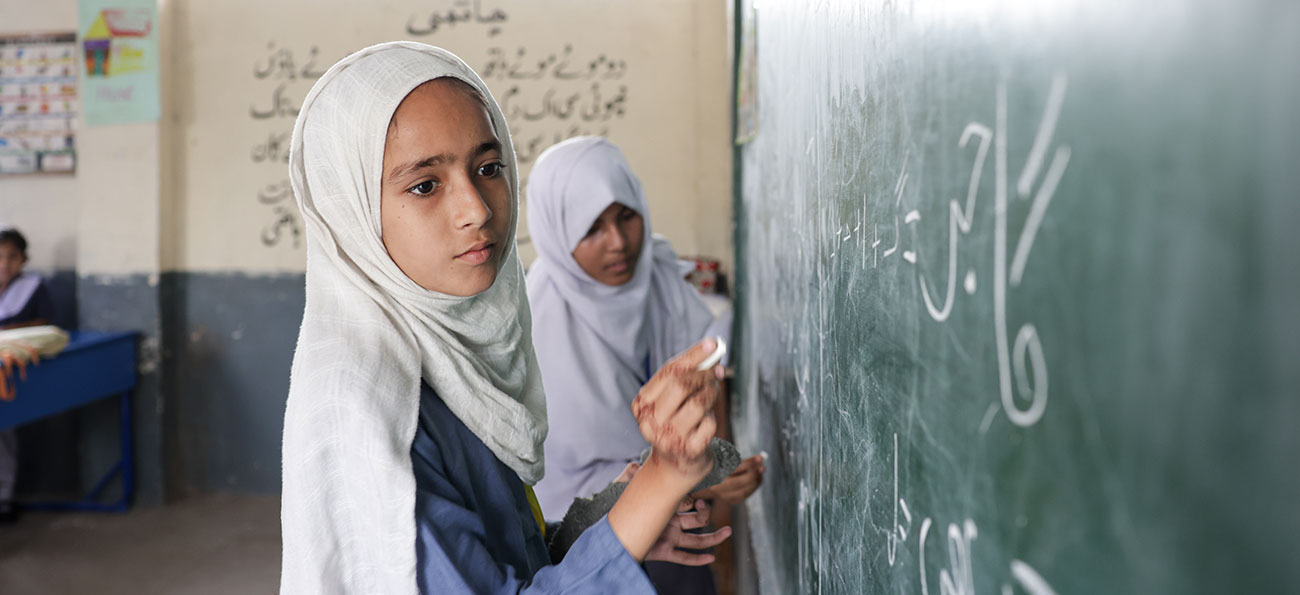
The “Accelerating Girls’ Education in Secondary Schools of Sindh” program aims to increase girls’ enrollment, enhance learning outcomes, and ensure a smooth transition from primary to secondary education. The initiative focuses on breaking barriers to education, creating supportive learning environments, and empowering girls to complete their secondary schooling with confidence and success.
To ensure lasting impact, we are investing in teacher capacity building and leadership development. A total of 105 teachers and trainers will receive specialized training in accelerated learning techniques, allowing them to deliver targeted interventions, ensuring a smooth transition of these girls from primary to secondary, education champions will be trained to drive advocacy efforts and mobilize support for girls’ education at the district and provincial levels.
The success of this initiative is built on data-driven decision-making. We are using digital tracking tools and real-time monitoring systems to assess learning progress at three critical stages: baseline, midline, and endline assessments. The results will be updated on a centralized digital dashboard, accessible to education stakeholders, government partners, and policymakers, ensuring transparency and accountability in the learning recovery process.
To sustain these improvements, AGEiSSS is working closely with the Sindh Education and Literacy Department (SELD) and the Sindh Education Foundation (SEF) to integrate accelerated learning methodologies into government schools. Through policy dialogues, high-level stakeholder engagements, and community-driven advocacy, we aim to establish TaRL as a mainstream approach for foundational learning recovery across Sindh.
The Teaching at the Right Level (TaRL) methodologies are closely aligned with the multi-sectoral roadmap’s life-cycle approach, supporting a child’s learning journey from early years through adolescence. This approach reinforces the implementation of the Sindh Early Childhood Care and Education (ECCE) and Foundational Learning and Numeracy (FLN) Policy 2024, with a strong focus on the holistic development of children—particularly girls—by addressing their cognitive, emotional, and social needs at every stage of growth.
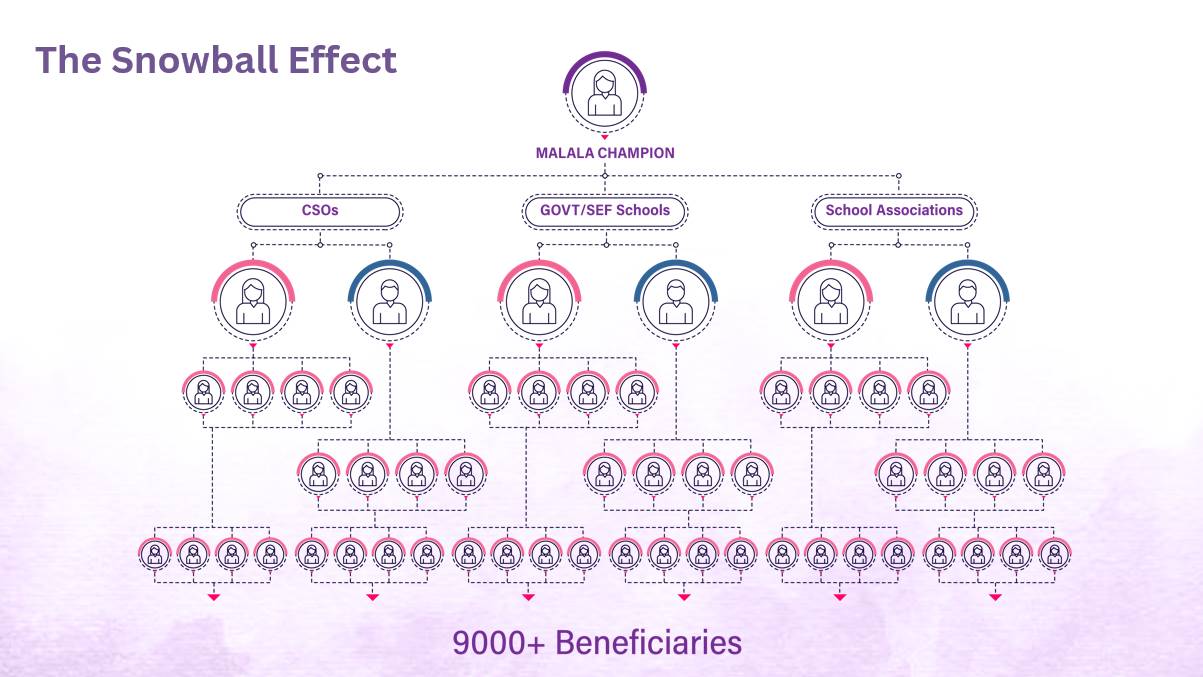
To ensure the long-term adoption of effective learning models, the program focuses on identifying and empowering Advocacy Champions—dedicated individuals who are trained to lead the mainstreaming of Teaching at the Right Level (TaRL) within SELD, SEF, and low-cost private school networks. These champions play a critical role in promoting the institutionalization of TaRL by engaging with policymakers, educators, and communities. By showcasing best practices, successful implementation models, and real impact stories, they help shape policy dialogue and advocate for the integration of TaRL into provincial and national education systems, contributing to sustainable improvements in foundational learning across Sindh.
Desired Outcomes
Our program envisions a transformative shift in the educational landscape of Sindh, with a focus on equity, inclusion, and systemic impact. Key outcomes include:
Improved Learning, Retention, and Transition for Girls
Enhanced literacy and numeracy outcomes for girls in Grades 4–7, leading to improved retention and successful transitions to higher grades.
Reintegration of Out-of-School Girls
Support for the re-enrollment and reintegration of recently dropped-out or out-of-school girls, ensuring they return to and thrive within the education system.
Policy Implementation and Systems Change
- Evidence-based advocacy driving the rapid rollout of the Sindh ECCE & Foundational Learning Policy 2024.
- Mainstreaming of Teaching at the Right Level (TaRL) across SELD, SEF, and low-cost private schools to improve foundational learning at scale.
Institutional Strengthening
Strengthened capacity of government institutions (SELD, SEF), NGOs, and teachers to implement, monitor, and sustain TaRL interventions and student-centered learning systems.
Multiplying Champions for Girls’ Education
- Cultivation of Young Leaders advocating for 12 years of quality education for every girl, echoing the core mission of the Malala Fund.
- Creating a network of local education champions and multipliers to lead community-driven change and amplify girls’ voices and rights across Sindh.
A Movement for Girls’ Education
Beyond improving learning outcomes, this initiative is about changing mindsets and breaking barriers to girls’ education. Through community mobilization, digital advocacy campaigns, and strategic partnerships, we are amplifying the message that every girl deserves 12 years of quality education. Local parliamentarians, education committees, and civil society organizations are actively engaged in this movement, advocating for policy reforms and increased investments in girls’ secondary education.
The AGEiSSS initiative is not just an education program—it is a commitment to transforming futures. By equipping girls with the skills and knowledge they need, we are ensuring that they stay in school, transition to secondary education, and unlock new opportunities for themselves and their communities.
Together, we can create a stronger, more inclusive education system where no girl is left behind. Join us in advocating for education as a fundamental right, and be a part of the movement to shape a brighter future for Sindh’s girls.